

Director’s Cut
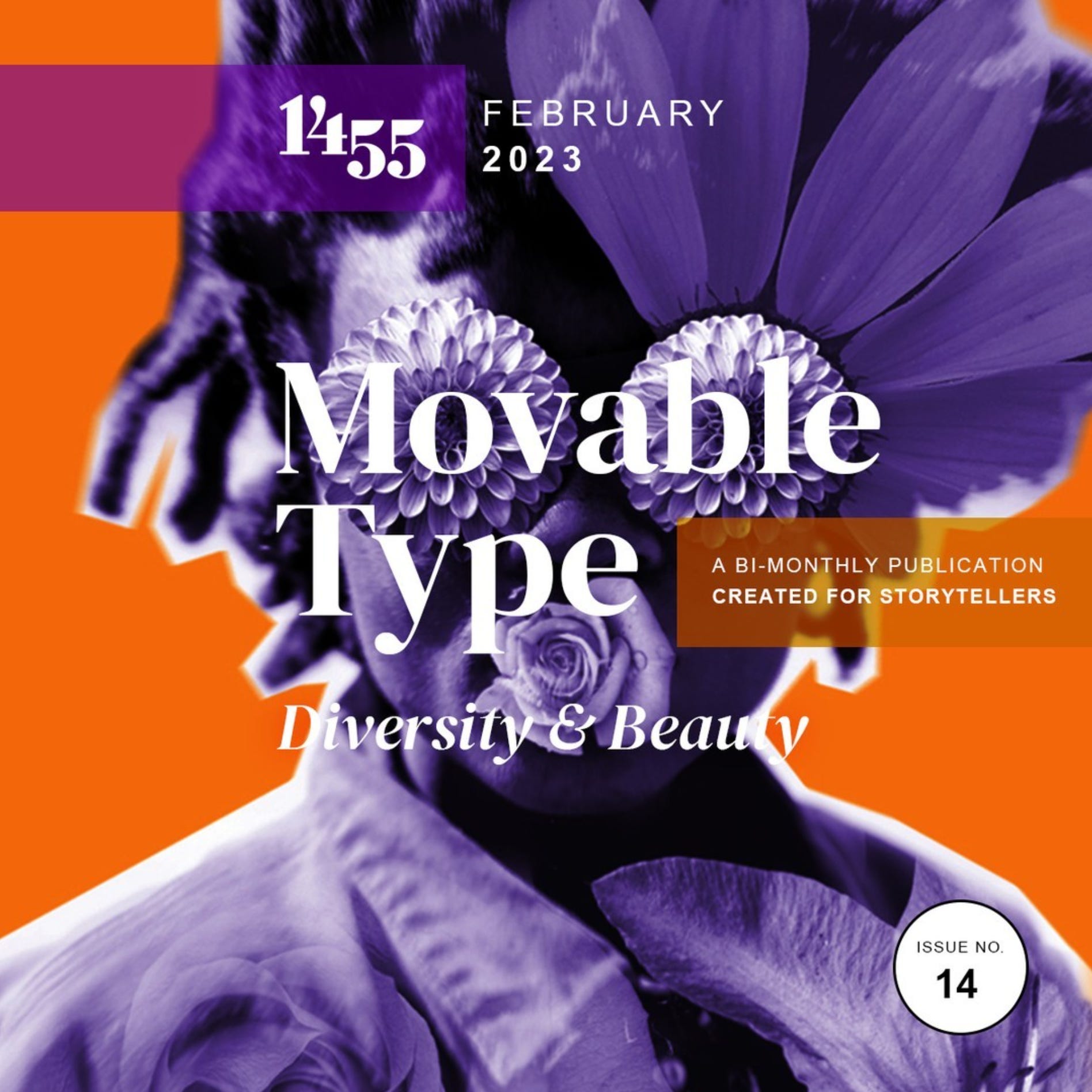
Beauty, it’s said, is in the eye of the beholder, which is at once a succinct and satisfactory definition of how we receive and respond to art. What’s worth celebrating, and why, is the impulse of criticism, and while it’s up to the writer to make a compelling case for the work in question, it’s the work itself that must survive time and trends.
But it’s not so simple, and never has been. Even ostensibly objective tastemakers are susceptible to the prevailing sentiments of their political and cultural milieus. Or, as the philosopher David Hume famously observed, “Beauty is no quality in things themselves: it exists merely in the mind which contemplates them; and each mind perceives a different beauty.”
Our contemporary notions of beauty have evolved and expanded, accordingly. Only more so, as the democratization of content—across all mediums—ensures we are seeing faces, places, and points of view that may have seemed exotic or else were silenced altogether, less than a quarter-century ago. This is all to the good, although we have the predictable (and ever-cynical) braying from the usual suspects. The white robes have, in some cases, changed to red hats, and the purveyors of “tradition” are extremely scripted and exorbitantly remunerated. Basically, same as it always was, except supersized and, against all probability, dumber and more backward than ever.
And even though our contemporary appreciation of what constitutes beauty, both literally and figuratively, is broader and more encompassing, it also complicates—as it should—our collective assessment of what we used to agree was great, in ostensibly simpler times. Here’s the thing: even if corrupted forces (mostly white and male) faced less resistance establishing things like curriculum and control of the narrative (via the literary canon and the WASP-y perspective that shaped entertainment, for starters), it’s important to note that our best art has always pushed back against the conventions and mores that sustain conformity and monotony.
The Great Gatsby, for instance, suffused with insufferable one percenters as it is, remains a peerless annihilation of unfettered capitalism (and the types of people it produces); Moby Dick—as many too intimidated to read it are unaware—is filled with a multi-racial cast that makes a winning case for autonomy and Democracy with a capital D. Of course, authors such as Hurston and Hughes, Ellison and Baldwin, Morrison and Harjo, and many, many others, have been revealing the fault lines behind the color line, illustrating that our world is better, smarter, and more humane when we listen to the lower frequencies.
Today we are, arguably, able to receive insight and wisdom, with less interference and fewer gatekeepers, even as the internet also ensures we must be vigilant about the ways disinformation and actual “fake news” is easily disseminated. How to keep up with the ceaseless churn of content? We can’t, and on balance this is a very good problem to have. Better, always, to revise and edit an unreadable work-in-progress as opposed to having received opinion doled out in small doses by the few and powerful.
1455’s unique value proposition involves harnessing this messy but viable potential, exposing important voices, inspiring awareness via educational, cultural, and social programs and events (and the rare opportunity to pull many of these things together, via our annual storytelling festivals and our evolving Moveable Feast initiative). All of which is to say, the need for personal narrative is as imperative and empowering as ever, and the ability to share these stories has never been more accessible, more possible. At 1455, we provide space for storytellers to connect, sharing resources to assist and inspire creatives anywhere, and everywhere. We bring together artists, educators, entrepreneurs, and enthusiasts, all with a passion to promote literacy and the literary arts—finding ways to engage in positive dialogue and opportunities to enrich, by all means necessary.
Join Our Community
At 1455, we believe story connects, heals, and transforms. If you share that belief, we invite you to subscribe to us here on Substack for new interviews, essays, and events celebrating the creative community.
1455 Needs Your Support
Your support helps us keep all 1455 programs free and accessible—please consider making a donation to sustain our mission and amplify diverse voices around the world.
Follow 1455
Website: 1455litarts.org
Instagram: @1455litarts
Facebook: facebook.com/1455litarts
X (Twitter): @1455litarts
YouTube: 1455 Literary Arts Channel
LinkedIn: 1455 Literary Arts